Showing posts with label Healthy Living. Show all posts

Thursday, 3 January 2019

Firm Up Your Sagging Breasts

Sagging breasts is an issue that many women face. Sagging breasts are caused when skin loses elasticity. Factors such as aging, smoking, pregnancy and being overweight can contribute to the sagging appearance of your breasts. Of course, some of these things are within your control, while others are not. However, if you are looking for ways that you can organically enhance the appearance of your chest, this is the article for you! Here are some natural remedies to help give your bust a boost.

1. Exercises:
Exercising is one of the best ways to correct a saggy bust line and repair connective tissue and muscles around the breasts. According to OLAYINKA Ajibola (CEO/Fitness Instructor @ Kc Gym & Fitness Centre) these exercises are among the most effective:

Chest Press.
Lie flat on your back with a dumbbell in each hand. Extend your arms up and hold for 10 seconds. This simple exercise works the pectoral muscles. Over time, the breasts will begin to firm and reshape.

Arm Raise.
To engage your chest muscles, do a simple arm raise. Think of this move as an extended stretch. Simply stand with your feet apart and reach straight up. This exercise not only works to enhance breasts but also can stretch your body in preparation for a workout.

Pushups.
To complete a simple pushup, start on your stomach. Push your body up with your arms and keep your back straight. The weight of your body on your arms encourages the chest muscles to strengthen.

2. Olive Oil Massage:
olive oil massage will not only repair skin tone and texture but can also improve the appearance of sagging breasts. The olive oil is rich in antioxidants that can repair the damage caused by free radicals. Simply massage your breasts with olive oil for 15 minutes a few times per week.

3. Good Posture:
The way that you carry your body through the day can significantly impact the appearance of your chest. According to an article from Organic Facts,hunching your shoulders offers no support for your breasts. Instead, your breasts droop with the shape of your body, which greatly contributes to the dreaded sag. You can help reduce sag by standing up straight and pushing your shoulders back.

4. Ice:
ice can firm the breast and tone the skin. Simply rub a cube of ice on your breasts in circular motions. To avoid numbness, don’t exceed one minute.

5. Egg Whites:
The astringent and skin-toning properties found in egg whites prove to be beneficial for drooping breasts. the hydro-lipids present in the egg also work to lift loose skin. To use, spread beaten, foamy egg whites on the breasts and let sit for 30 minutes before washing away.

6. Aloe Vera:
massaging with aloe vera works to improve blood circulation and strengthen the connective tissues. To use, massage the gel into the skin in an upward motion for 15 minutes.

7. Essential Oils:
Organic Facts indicates that a variety of essential oils can tighten and tone sagging skin. A few of the most beneficial oils include lemongrass, carrot, cypress and spearmint. The article warns to use the oils sparingly, as sometimes they can cause a burning sensation.

8. Cucumber Skin Mask:
Cucumber works to firm skin and naturally lifts the breasts. Mix a ground cucumber with egg, butter and natural cream. Allow the mixture to cool overnight before applying it to your breasts.

Sunday, 16 December 2018

WHAT YOU NEED TO KNOW!

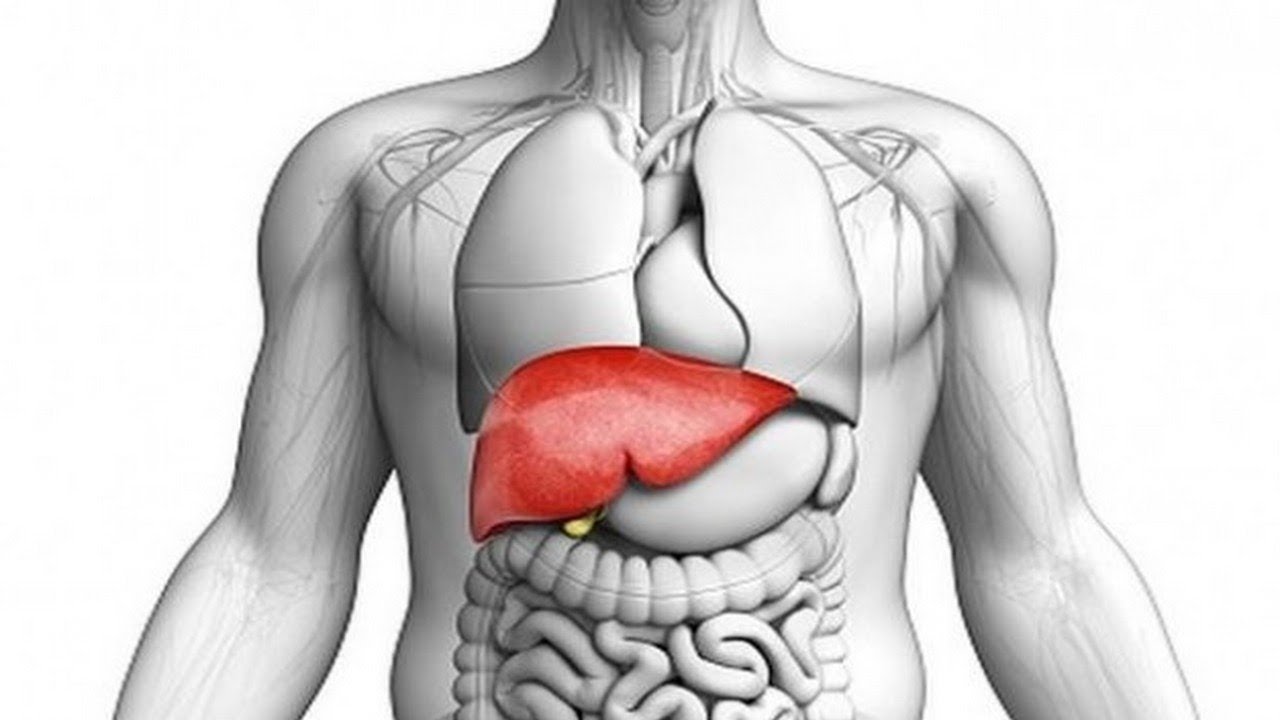
For most healthy people, the liver is just another of many organs that functions involuntarily and under our perceptional radar. However, this powerful organ is responsible for the digestion of food as well as eliminating toxic substances from the body.

The liver also helps ward off infection plus stores energy – making it highly important for many aspects of health.

When this vital organ begins to malfunction, focusing on liver health can become a matter of life and death. There are many different types of liver diseases, but untreated they can all be damaging and potentially deadly.

Given the severity of possible liver disease and liver failure complications, it is important to be aware of the body’s warning signs that something is amiss that needs to be addressed. Fortunately, there are often symptoms in the early stages of liver problems, Moreover, this amazing organ can regenerate itself when damaged, replacing old tissue with new cells.

What are the signs and symptoms of liver disease?

signs and symptoms of liver disease may include:

* Yellowish appearance to skin and eyes (jaundice)
* Chronic fatigue or excessive tiredness
* Abdominal pain and swelling
* Edema, or swelling in the legs and ankles
* Itchy skin
* Dark urine color
* Pale stool color, or bloody or tar-colored stool
* Nausea or vomiting
* Loss of appetite
* Tendency to bruise easily

There are some instances when symptoms are so mild or nonspecific that the underlying liver issue becomes ignored or unnoticed. As liver failure progresses, the symptoms can become more serious.
#Fit4LifeLive4Life

What causes liver problems?

There are many different ways liver issues and liver disease can develop.

Disease and dysfunction may have genetic causation, or may result from a virus infection. _Being overweight and clinically obese can also contribute to liver damage._ Inflammation and scarring caused by parasites and/or a virus, cancer, or even using too much Tylenol can also lead to liver problems.

The leading cause of liver disease is excessive alcohol consumption. additional factors that increase the risk of liver disease include:

* Tattoos and/or body piercings
* Receiving a blood transfusion prior to 1992
* Contact with other people’s blood and body fluids
* Unprotected sex
* Exposure to certain chemicals or toxins
* Diabetes

How are liver problems diagnosed?

To assess liver damage, a doctor will likely run a combination of the following tests, including a complete blood count (CBC), liver function test, abdominal computed tomography (CT) scan, abdominal ultrasound, a tissue biopsy, and liver enzyme tests.

What are the complications of liver problems?

When damage to the liver becomes chronic, liver disease can lead to scarring, also known as cirrhosis.

This condition can eventually become liver failure, often resulting in death.

Cirrhosis can also lead to liver cancer. For some, the symptoms of cirrhosis are the first signs of liver disease. Fortunately, liver cancer is considered rare, and is often treatable by removal of part of the liver, transplant, chemotherapy, and/or radiation.

How are liver problems treated?

As with most conditions, treatment for liver problems varies based on each individual’s specific diagnosis and stage of progression. The sooner problems are detected, the better. Minor and early stage liver disease may be addressed by lifestyle modifications, such as quitting drinking or losing weight. More advanced progression of liver disease, liver cancer, or other serious complications will likely require surgery, transplant, medication, and other treatment methods.
#Fit4LifeLive4Life

How can liver problems be prevented?

Living a healthy lifestyle can go a long way in promoting overall liver health. This includes maintaining a healthy weight, drinking alcohol in moderation, and using prescription and OTC medications only as needed.

In addition, minimize risky behavior, including being extra cautious when getting any tattoos or piercings, having protected sex, and avoiding contact with toxic chemicals and other’s bodily fluids.

Friday, 26 October 2018

WHY TAKING SUPPLEMENTS MAKES SENSE

HOW NUTRITIONAL SUPPLEMENTS HELP YOU SLOW AGING, FEEL BETTER AND BE HEALTHIER

You’ve probably heard this: If you eat a good diet, you don’t need nutritional supplements. But there are two good reasons that statement doesn't hold up.

First, the richest sources of nutrition in our diets are fresh vegetables and fruits.
Eating five or more servings of fresh fruits and vegetables per day. Do you eat that many fruits and vegetables? Most people don't. As a result, most of us are nutritionally deficient.

Second, our lives are stressful. Chronic stress, coupled with a poor diet, puts tremendous strain on everything from our immune systems to our hearts, increasing our need for nutrition. If we aren't getting enough nutrients from our diets, were more likely to suffer health problems as a result.

Nutritional supplements are preventive maintenance for your body. Here are four reasons you should take them:

1. Supplements help you age better.
As we age, we often become deficient in key nutrients that our bodies need to function optimally. Some people come up short on calcium and wind up with osteoporosis. Others don't get enough antioxidants, leading to cellular damage and premature aging.
Supplementation replenishes nutrients that we may miss. Research shows that a properly designed supplement regimen can delay or even prevent many of the health conditions that come with aging, like heart disease, diabetes and osteoporosis, helping you live longer and with more vitality.

2. Supplements give you more energy.
Are you constantly tired from long work hours, lack of sleep and a So-so diet? When the body doesn't get the right balance of nutrients, it doesn't produce energy as efficiently. Blood sugar levels spike and then dive throughout the day. The result is that we end up feeling tired all day.
Supplements give your cells what they need to extract more energy from food and use that energy better, keeping you vibrant and alert.

3. Supplementation prevents dysfunction.
Heart disease, obesity and type 2 diabetes don't appear overnight. They are the end result of years-long deficiencies in key nutrients. Deprive your body of the nutrients it needs, and it will become dysfunctional. The results: heart failure, type 2 diabetes and a host of other diseases.
By taking supplements when you're well, you prevent deficiency and dysfunction. This reduces your odds of developing age related degenerative diseases.

4. Prevention puts money in your pocket. How much do you think you would save over 20 years if you didn't need prescription medication or expensive surgeries? Giving your body the full range of nutrients it needs can help you prevent disease and reduce the cost of medications, doctor visits, hospitalization and insurance, saving thousands of Money.

#Fit4LifeLive4Life
#HealthyLifestyle

Thursday, 11 October 2018

Music and Exercise

If I arrived for a spinning class at my favorite gym centre and learned that the sound system was down, I would probably pack up my shoes and go home. I cannot imagine exercising without music.

The instructor’s choice of music makes the difference between a great class that is over before I know it and one in which I find myself constantly glancing at my watch, wondering when I can leave. Is my preference for exercising to music rooted in some real effect that music might have? Is the best music for exercise simply the music you happen to like the most? Or are there other factors aside from personal taste that make some music especially appropriate for exercise?

This question is harder to answer than you might think,  Olayinka Ajibola Kazeem. (Owner of KC Gym and Creator of Fit4LifeLive4Life) studies and examined different populations, making it hard to get an overall picture.  When the presence of music seems to have a positive effect on exercisers it can be difficult to tell which features of the music prompts the effect. Is it “internal” characteristics of the music, such as tempo, rhythm and timbre, or is it features that are “external” to the music, such as the personal or cultural associations that musical works often carry? And which music should be used in experiments?

The overall impression given by the studies is highly positive. When music is used before athletic activity, it has been shown to increase arousal, facilitate relevant imagery, and improve the performance of simple tasks. When music is used during activity, it has ergogenic (work-enhancing) effects and psychological effects. Listening to music during exercise can both delay fatigue and lessen the subjective perception of fatigue. It can increase physical capacity, improve energy efficiency, and influence mood.

In study after study, the use of music during low- to moderate-level intensity exercise was associated with clear improvements in endurance.

Olayinka Ajibola K. have found that the power of music has definite limits. While music can hamper physiological feedback signals at moderate levels of intensity, it is markedly less effective at high intensity levels. It does not reduce perceptions of exertion when exercisers are pushing beyond the anaerobic threshold (that is, the point at which lactic acid begins to accumulate in the bloodstream). One possible explanation is that at high levels of intensity the body’s physical feedback dominates the nervous system, so that distraction by any means is more difficult to achieve. Also, music seems to be of greater benefit to less-trained exercisers. This could be because trained or competitive athletes tend to work at higher levels of intensity. Or it might be because untrained exercisers are motivated by the positive feelings aroused by music, while trained athletes are more motivated by the desire to perform well and to focus on the specifics of training.

Interestingly, there are times when trainers and coaches should avoid the use of music. When exercisers need to devote their full attention to a task (say, for safety reasons), or when they are learning a demanding new skill, or when they are working at high intensity and need to pay full attention to their physical limits (“listening to the body” in other words) the use of music should be limited. And watch the volume! Studies have found that even moderate-level activity, if accompanied by very loud music (over 100 decibels), can cause temporary hearing loss.

Monday, 10 September 2018

Physical Activity in Colder Weather


I would hope that you’d agree that regular physical activity is essential to maintain a healthy lifestyle.

Despite what some individuals may think or practice, it’s important to note that regular physical activity is not defined as being active during the summer months and then hibernating like a bear in the winter until the nice weather comes back.

Believe it or not, this happens a lot! People make some great lifestyle changes in the summer months and sometimes let these slip because they aren’t prepared for the elements! This is very maladaptive (not adjusting adequately or appropriately to the environment or situation)as the body needs to KEEP MOVING!

In my profession as a Fitness Instructor, we see lots of injuries due to deconditioning over the cold season. We have to engrain the notion that the body needs to move on a daily basis no matter what! We cannot let the elements get in our way! If you take the time to get the proper game plan in place, NOTHING WILL GET IN YOUR WAY!

Here are a couple tips to consider when getting active in the cold:

Keep Safety First!
* Warm up and cool down thoroughly! It takes extra time to adjust to drastic temperature changes.

* Keep well hydrated! People forget to drink in the cold. One cup of water (250 ml) for every 15-20 minutes of exercise is perfect.

Plan Ahead
* Look at the weather forecast, plan your routes and make sure you have a safety zone.

*Let friends and family know that you’re leaving the house and identify your route of choice. If you have a cell phone bring it with you!

Be prepared for the Dark
* As we all know, winter comes with extended darkness periods. It’s essential to be ready for this!

* Ensure to have reflective items on your clothing, shoes, strollers, bicycles and helmets so others, especially motorists can see you.

Dress Well & Layer Up!!!
* Probably one of the most essential points. Lots of people forget that the body warms up during exercise as they are trying to combat the cold at resting body temperatures for most of the day. We generate a significant amount of heat when our bodies get moving and it is important to ensure this doesn’t drench us in sweat. Sweating is good; however, it could be our worst nightmare if caught wet in the cold. A good idea would be to use a three layer method: synthetic moisture wicking (e.g. polyester, microfiber, or other patented tech.) shirt/long sleeve as a base layer (#1) (do not use cotton, as this soaks up the fluid and stays wet), followed by a fleece or wool garment (#2) and then a wind and water resistant outer shell (#3). The inner layer will keep from soaking up the fluid, your mid layer can act as a buffer and be removed if you’re getting steamy and your shell will protect you from wind and water!

* Make sure your footwear is designed for the elements.

* Ensure your head, ears, hands and feet are well insulated as well.

Have a list of indoor options for those “crazy days”
* You can always implement a simple and easy workout at home consisting of calisthenics (own body weight exercises) and various aerobic drills.

* Exercise videos are great.

* Drop in to a fitness class at the local community center (cheap, easy and social!)

* Go for a long mall walk.

Hope this helps and KEEP you MOVING!
#HealthyLifestyle
#GetFitNigeria

Wednesday, 30 May 2018

How Much Muscle Strengthening Activity Do I Need?

Besides aerobic activity, you should also engage in activities that strengthen your muscles on 2 or more days a week. Muscle-strengthening activity (also known as strength training) should work all the major muscle groups of your body, that is, the legs, hips, back, chest, abdomen, shoulders and arms.

Muscle strengthening activity helps to:

1. Develop stronger muscles and bones.
It increases bone density and reduces the risk of osteoporosis.

2. Control your weight.
As you gain muscle, your body's metabolism rate increases, thus enabling it to burn calories more efficiently.

3. Reduce the risk of injury.
Stronger muscles are able to support your joints better, and preventing them from injury. In addition, strength training increases neural functioning, improving reaction time, thus preventing injurious falls.

Muscle strengthening activity can be done either at home or in a gym.

Examples include:
* Exercises that use your body weight as resistance, such as push-ups, sit-ups, abdominal crunches, pull-ups and leg squats.

* Working with resistance bands. Resistance bands (or resistance tubing) is inexpensive, lightweight and can be bought at stores selling sports equipment.

* Lifting weights.
You can use either free weights such as dumbbells, or work out on the weight machines in a gym or fitness centre.

Muscle strengthening activities should be performed to the point at which it is difficult to do another repetition. A repetition is one complete movement of an activity, like lifting weights or doing sit-ups. You can:

* Perform the muscle strengthening activities on the same or different days that you do aerobic activity.

* Start once a week with lighter weights, completing at least 8-12 repetitions. Over time, start increasing the weight while performing the same number of repetitions.

Muscle strengthening activities should include 8-10 different exercises that work the various large muscle groups.

Let's get active!
Now that you know the types of physical activity for health benefits, it's time to get active. Use the recommendations as a guide to help you in your journey of health and fitness.

Everyone can enjoy physical activity. However, if you have not been active and have a medical condition such as heart disease, high blood pressure, diabetes or asthma, do consult your doctor on the type and amount of physical activity suitable for you.

Never Use Ginger If You Have Any Of These Conditions - It Can Cause Serious Health Problems.

Ginger root is an anti-inflammatory, antioxidant, and digestive superfood.

The spice is recommended as a natural medicine for many physical ailments due to its nutrients and health-supporting phytochemicals.

There are situations, however, in which ginger is a less-than-optimal supplement to your diet and can exacerbate an already existing problem.

When To Avoid Ginger Root

Here are some of the situations in which ginger should be avoided because of their risks.

1. Blood Disorders
Ginger root is a blood anti-coagulant that promotes circulation. In the case of some blood conditions like hemophilia (in which blood coagulation does not occur properly), thinner blood can exacerbate the condition, making a small cut into a possibly life-threatening hemorrhage.

Beneficial due to exactly these effects for cardiovascular disease, rheumatoid arthritis, and high cholesterol, it’s best to avoid ginger if you have a blood condition without discussing it first with your healthcare provider.

2. Taking Prescription Medications
A pharmaceutical is formulated to address a specific symptom and is designed to work in a certain way in the body. Drugs come with lists of warnings and potential side effects.

Because ginger root has medicinal properties, some pharmaceuticals don’t mix well with it. So to prevent any risks, side-effects, read the warnings and inform yourself as much as you can for your own safety.

Ginger is a natural blood thinner and reduces blood pressure; it also regulates blood sugar (1). Taken together with medication that is designed to do the same can mean too much of a good thing. Hence, ginger should not be taken with anticoagulants, beta blockers, aspirin, or insulin.

3. Pregnancy
Ginger root tea in early pregnancy has been found to relieve nausea and vomiting.

After the first trimester, however, ginger root should be taken infrequently in very small doses (if at all) because it can induce uterine contractions (2). This, in turn, may result in premature delivery or miscarriage.

On the other hand, it can be usedful when your delivery date has passed and you’re ready to meet your little one face to face.

4. Being Underweight
Ginger stimulates digestion, which is why it is so effective against an upset stomach and other gastrointestinal issues.

If you are significantly underweight, you want to slow digestion and absorb as many nutrients as you can from the food you eat.

High fiber content in ginger root moves foods through the digestive system and other compounds in the root can raise metabolism and promote weight loss.


Thank & God Bless You.

Monday, 20 November 2017

BREAST CANCER PREVENTION: How to reduce your risk

Breast cancer prevention starts with healthy habits — such as limiting alcohol and staying physically active. Understand what you can do to reduce your breast cancer risk.

If you're concerned about breast cancer, you might be wondering if there are steps you can take toward breast cancer prevention. Some risk factors, such as family history, can't be changed. However, there are lifestyle changes you can make to lower your risk.

WHAT CAN I DO TO REDUCE MY RISK OF BREAST CANCER?

Lifestyle changes have been shown in studies to decrease breast cancer risk even in high-risk women. The following are steps you can take to lower your risk:

* LIMIT ALCOHOL.
The more alcohol you drink, the greater your risk of developing breast cancer. The general recommendation — based on research on the effect of alcohol on breast cancer risk — is to limit yourself to less than 1 drink per day as even small amounts increase risk.

* DONT SMOKE.
Accumulating evidence suggests a link between smoking and breast cancer risk, particularly in premenopausal women. In addition, not smoking is one of the best things you can do for your overall health.

* CONTROL YOUR WEIGHT. Being overweight or obese increases the risk of breast cancer. This is especially true if obesity occurs later in life, particularly after menopause.

* BE PHYSICALLY ACTIVE. Physical activity can help you maintain a healthy weight, which, in turn, helps prevent breast cancer. For most healthy adults, the Department of Health and Human Services recommends at least 150 minutes a week of moderate aerobic activity or 75 minutes of vigorous aerobic activity weekly, plus strength training at least twice a week.

* BREAST-FEED.
Breast-feeding might play a role in breast cancer prevention. The longer you breast-feed, the greater the protective effect.

* LIMIT DOSE AND DURATION OF HORMONE THERAPY. Combination hormone therapy for more than three to five years increases the risk of breast cancer. If you're taking hormone therapy for menopausal symptoms, ask your doctor about other options. You might be able to manage your symptoms with nonhormonal therapies and medications. If you decide that the benefits of short-term hormone therapy outweigh the risks, use the lowest dose that works for you and continue to have your doctor monitor the length of time you are taking hormones.

* AVOID EXPOSURE TO RADIATION AND ENVIRONMENTAL POLLUTION.
Medical-imaging methods, such as computerized tomography, use high doses of radiation. While more studies are needed, some research suggests a link between breast cancer and radiation exposure. Reduce your exposure by having such tests only when absolutely necessary.

CAN A HEALTHY DIET PREVENT BREAST CANCER?

Eating a healthy diet might decrease your risk of some types of cancer, as well as diabetes, heart disease and stroke. For example, women who eat a Mediterranean diet supplemented with extra-virgin olive oil and mixed nuts might have a reduced risk of breast cancer. The Mediterranean diet focuses on mostly on plant-based foods, such as fruits and vegetables, whole grains, legumes and nuts. People who follow the Mediterranean diet choose healthy fats, like olive oil, over butter and fish instead of red meat.

Maintaining a healthy weight also is a key factor in breast cancer prevention.

#Fit4LifeLive4Life
#HealthyLifestyle