Physical Fitness, Sports Administrator ,Boot Camp, Recreational Management and Marketing Services
Friday, 1 October 2021
Top Benefits of Running and Walking You Never Knew
Monday, 26 July 2021
If You Are Suffering From Arthritis, Reduce Your Intake Of These 3 Things To Avoid Complications
Sunday, 16 December 2018
WHAT YOU NEED TO KNOW!
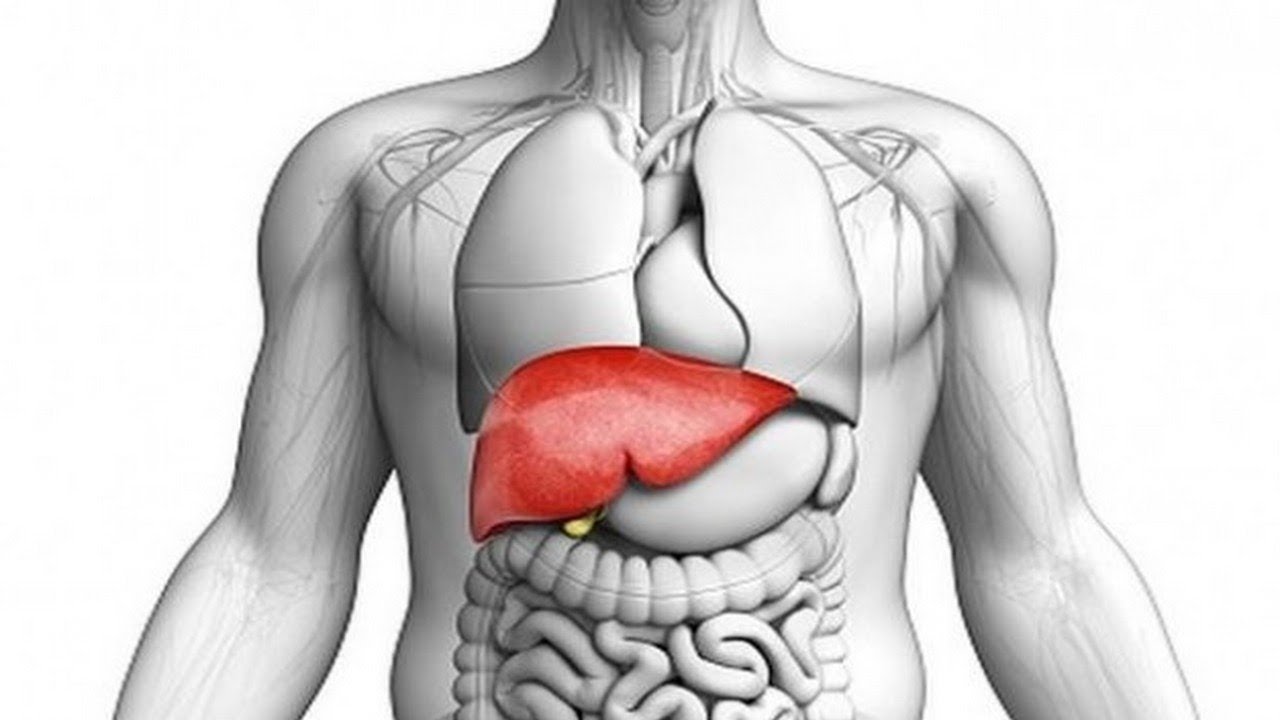
For most healthy people, the liver is just another of many organs that functions involuntarily and under our perceptional radar. However, this powerful organ is responsible for the digestion of food as well as eliminating toxic substances from the body.
The liver also helps ward off infection plus stores energy – making it highly important for many aspects of health.
When this vital organ begins to malfunction, focusing on liver health can become a matter of life and death. There are many different types of liver diseases, but untreated they can all be damaging and potentially deadly.
Given the severity of possible liver disease and liver failure complications, it is important to be aware of the body’s warning signs that something is amiss that needs to be addressed. Fortunately, there are often symptoms in the early stages of liver problems, Moreover, this amazing organ can regenerate itself when damaged, replacing old tissue with new cells.
What are the signs and symptoms of liver disease?
signs and symptoms of liver disease may include:
* Yellowish appearance to skin and eyes (jaundice)
* Chronic fatigue or excessive tiredness
* Abdominal pain and swelling
* Edema, or swelling in the legs and ankles
* Itchy skin
* Dark urine color
* Pale stool color, or bloody or tar-colored stool
* Nausea or vomiting
* Loss of appetite
* Tendency to bruise easily
There are some instances when symptoms are so mild or nonspecific that the underlying liver issue becomes ignored or unnoticed. As liver failure progresses, the symptoms can become more serious.
#Fit4LifeLive4Life
What causes liver problems?
There are many different ways liver issues and liver disease can develop.
Disease and dysfunction may have genetic causation, or may result from a virus infection. _Being overweight and clinically obese can also contribute to liver damage._ Inflammation and scarring caused by parasites and/or a virus, cancer, or even using too much Tylenol can also lead to liver problems.
The leading cause of liver disease is excessive alcohol consumption. additional factors that increase the risk of liver disease include:
* Tattoos and/or body piercings
* Receiving a blood transfusion prior to 1992
* Contact with other people’s blood and body fluids
* Unprotected sex
* Exposure to certain chemicals or toxins
* Diabetes
How are liver problems diagnosed?
To assess liver damage, a doctor will likely run a combination of the following tests, including a complete blood count (CBC), liver function test, abdominal computed tomography (CT) scan, abdominal ultrasound, a tissue biopsy, and liver enzyme tests.
What are the complications of liver problems?
When damage to the liver becomes chronic, liver disease can lead to scarring, also known as cirrhosis.
This condition can eventually become liver failure, often resulting in death.
Cirrhosis can also lead to liver cancer. For some, the symptoms of cirrhosis are the first signs of liver disease. Fortunately, liver cancer is considered rare, and is often treatable by removal of part of the liver, transplant, chemotherapy, and/or radiation.
How are liver problems treated?
As with most conditions, treatment for liver problems varies based on each individual’s specific diagnosis and stage of progression. The sooner problems are detected, the better. Minor and early stage liver disease may be addressed by lifestyle modifications, such as quitting drinking or losing weight. More advanced progression of liver disease, liver cancer, or other serious complications will likely require surgery, transplant, medication, and other treatment methods.
#Fit4LifeLive4Life
How can liver problems be prevented?
Living a healthy lifestyle can go a long way in promoting overall liver health. This includes maintaining a healthy weight, drinking alcohol in moderation, and using prescription and OTC medications only as needed.
In addition, minimize risky behavior, including being extra cautious when getting any tattoos or piercings, having protected sex, and avoiding contact with toxic chemicals and other’s bodily fluids.
Monday, 20 November 2017
BREAST CANCER PREVENTION: How to reduce your risk
Breast cancer prevention starts with healthy habits — such as limiting alcohol and staying physically active. Understand what you can do to reduce your breast cancer risk.
If you're concerned about breast cancer, you might be wondering if there are steps you can take toward breast cancer prevention. Some risk factors, such as family history, can't be changed. However, there are lifestyle changes you can make to lower your risk.
WHAT CAN I DO TO REDUCE MY RISK OF BREAST CANCER?
Lifestyle changes have been shown in studies to decrease breast cancer risk even in high-risk women. The following are steps you can take to lower your risk:
* LIMIT ALCOHOL.
The more alcohol you drink, the greater your risk of developing breast cancer. The general recommendation — based on research on the effect of alcohol on breast cancer risk — is to limit yourself to less than 1 drink per day as even small amounts increase risk.
* DONT SMOKE.
Accumulating evidence suggests a link between smoking and breast cancer risk, particularly in premenopausal women. In addition, not smoking is one of the best things you can do for your overall health.
* CONTROL YOUR WEIGHT. Being overweight or obese increases the risk of breast cancer. This is especially true if obesity occurs later in life, particularly after menopause.
* BE PHYSICALLY ACTIVE. Physical activity can help you maintain a healthy weight, which, in turn, helps prevent breast cancer. For most healthy adults, the Department of Health and Human Services recommends at least 150 minutes a week of moderate aerobic activity or 75 minutes of vigorous aerobic activity weekly, plus strength training at least twice a week.
* BREAST-FEED.
Breast-feeding might play a role in breast cancer prevention. The longer you breast-feed, the greater the protective effect.
* LIMIT DOSE AND DURATION OF HORMONE THERAPY. Combination hormone therapy for more than three to five years increases the risk of breast cancer. If you're taking hormone therapy for menopausal symptoms, ask your doctor about other options. You might be able to manage your symptoms with nonhormonal therapies and medications. If you decide that the benefits of short-term hormone therapy outweigh the risks, use the lowest dose that works for you and continue to have your doctor monitor the length of time you are taking hormones.
* AVOID EXPOSURE TO RADIATION AND ENVIRONMENTAL POLLUTION.
Medical-imaging methods, such as computerized tomography, use high doses of radiation. While more studies are needed, some research suggests a link between breast cancer and radiation exposure. Reduce your exposure by having such tests only when absolutely necessary.
CAN A HEALTHY DIET PREVENT BREAST CANCER?
Eating a healthy diet might decrease your risk of some types of cancer, as well as diabetes, heart disease and stroke. For example, women who eat a Mediterranean diet supplemented with extra-virgin olive oil and mixed nuts might have a reduced risk of breast cancer. The Mediterranean diet focuses on mostly on plant-based foods, such as fruits and vegetables, whole grains, legumes and nuts. People who follow the Mediterranean diet choose healthy fats, like olive oil, over butter and fish instead of red meat.
Maintaining a healthy weight also is a key factor in breast cancer prevention.
#Fit4LifeLive4Life
#HealthyLifestyle
Tuesday, 11 July 2017
7 TIPS TO HELP YOU START A MORNING EXERCISE ROUTINE
The solution that works best for me is exercising in the morning. I know, with work schedules and other commitments, this might be difficult for some. However, if the only thing holding you back is a warm bed and sweet dreams then creating a morning exercise routine is within reach – you just need to form the habit.
I recommend exercising in the morning for two reasons. First, it gets exercise out of the way before a million excuses start to form and, quite frankly, before I shower. Once I shower and start my day I will not be working up a sweat. Regardless, I can’t even tell you the number of times I would plan to exercise after work. Then 5:00pm would hit and I would be too tired to even think about getting in a workout. Not to mention, I needed to get home and feed my family. By the time all the nightly activities were done it was time to pass out. Therefore, if I don’t exercise in the morning it won’t happen at all. The only excuse that keeps me from getting on my treadmill is waking up late. In my opinion, this is a much easier fix than trying to find an hour or two in the middle of the day or at night.
The second reason I like to exercise in the morning is it starts my day on a positive note. I use that time to think about life, solve problems, and just be in solitude. That one-hour of exercise helps me stay focused and energized throughout the entire day. Feeling productive and accomplished is a priority for me. I need that. When I start my day with exercise I feel productive, accomplished, and ready to take on the world – all by 7:00am!
If you think exercising in the morning could benefit you then here are 7 tips that can help you start a morning exercise routine.
#1 Pick a realistic time
It is often tempting to set my alarm clock for 4:30am so I can have my workout and shower done by 6:00am. However, that is not realistic or sustainable for me. Trust me I have tried many times. A time I can stick with is 5:30am. This allows me to get the proper amount of sleep and still enough time for a solid workout. If you pick a time that you can never stick with then you will find it very difficult to create a routine and habit around that.
Once you pick a early morning time to exercise then protect that time. It is easy to get off track doing other things. However, if you decide 6:30am – 7:30am is exercise time then make sure nothing else takes priority.
#2 Get a good night sleep
This goes along with the first tip. If you go to bed at midnight not only will it be difficult to wake up at 5:30am it will be even harder to find the energy for a quality workout. We need at least 7-9 hours of sleep to function at our best. I know we all think we are superhuman and can survive on much less. However, we are looking to thrive, not just survive, so we need our sleep. My goal bedtime is 10:30pm. Any later and I will struggle waking up in the morning.
#3 Put out clothes, sneakers, and earbuds the night before
This is huge! Trust me the last thing you want to do after waking up is search around for all your work out gear. The number of times I went back to bed because I could not find my ear buds is embarrassing. Having your workout gear ready the night before will put you 10 steps ahead come the morning.
Also, plan to get into your workout clothes and put your sneakers on as soon as you wake up. This lets your mind know you are getting ready for a solid sweaty workout!
#4 Plan out your exercise routine ahead of time
Wake up each morning with an exercise plan. What exercises are you going to do? How long? Are you going to switch up exercises on certain days? Having an exercise plan helps you getting started and stay focused on your workout. However, don’t feel like you need to do an iron man workout every day. Even a little exercise is better than no exercise so do what can. The point is know what those exercises are going to be.
#5 Give yourself a few minutes to wake up
In the past, I would wake up and immediately drag myself down to my basement to exercise. I was barely coherent and many times this caused my workouts to be mediocre at best. When I gave myself 10 minutes to wake up I became more alert and ready to exercise. During that 10 minutes I will drink water, stretch, and start listening to my music. I know this seems very basic but it is these simple tips that have shown some of the biggest results for me.
#6 Put together a motivating play list
The right music is essential to staying motivated during a workout – at least it is for me. When I have high energy motivating music playing I can run 30 minutes without thinking twice about. I highly recommend taking the time to put together a playlist specifically to listen too when exercising.
#7 Exercise often
Whenever you are forming a new exercise habit the key is to do it often (at least 4-5 days) and for a long period of time (3-4 weeks). If you exercise sporadically it will always feel like you are starting from the beginning. Challenge yourself to stick with it.
When you begin waking up early to exercise it will be hard – very hard. You won’t want to do it and will probably have to push yourself a bit. However, after a few days it will get easier. Then after a week or so you will wake up before the alarm goes off and look forward to exercising. After a few weeks it will become second nature – exercising in the morning will become a habit. Once you form the habit you don’t need to be as strict. However, in my experience, keeping exercising consistent will help sustain your exercise habit.
I say this all the time…IT NEVER GETS EASIER YOU ONLY GET BETTER! Keep that in mind when things feel impossible or out of reach. You can do this!
Have a wonderful day!
#Fit4LifeLive4Life
Friday, 27 January 2017
9 Science-Backed Reasons Why You Should Go to Bed Early
Show of hands if you’ve ever stayed up way too late texting with friends, catching up on TV shows. Yep, plenty of us are guilty as charged — and as a result, we end up feeling exhausted in the morning.
That most Nigerians are falling short on getting the recommended eight hours of sleep per night is nothing new. Clearly though, not everyone who fails to log enough shut eye actually has trouble sleeping. Plenty of us are just staying up too late or putting off bedtime in favor of other activities.
But over time, staying awake into the wee hours can come with a hefty cost. Here are nine surprising ways you can benefit from ditching, or at least minimizing, your night owl habit.
1. You might worry less.
Remember when Mom used to tell you that it would all seem better in the morning? She was right! Compared to people who turn in early, those who go to bed very late are more likely to be overwhelmed with repetitive negative thoughts, found one study published late last year.
The findings suggest that sleep disruption could actually be linked to the development of pessimistic thoughts. On the bright side? Psychologists suggest that focusing on good sleep habits can help. Sure, going to bed early won’t get rid of whatever problems you’re dealing with — but now, we know that it really may help to put them in perspective, and a well-rested mind is better at dealing with emotions and problem solving.
2. You could get along better with everyone.
Been getting into a lot of arguments lately? There’s one easy way to fix that.
Too little sleep tends to leave people feeling
short-tempered, irritable, and stressed . Which means that little things that might not normally be a big deal can cause you to fly off the handle. The result? More spats and misunderstandings with those around you.
Being well-rested, on the other hand, will help to recalibrate your baseline. You’ll naturally feel more optimistic, patient, and relaxed (even if nothing around you has actually changed), which means you’ll have an easier time coping with all of life’s little curveballs.
3. You can have a safer commute...
It’s scary to think about, but sleep deprivation can make you less alert and significantly up your likelihood of getting into a car crash. And tons of us are at risk:
Roughly 60 percent of adult drivers say they’ve driven a vehicle while feeling drowsy in the last year. Even crazier? More than a third say that they’ve actually fallen asleep behind the wheel.
According to AAA Foundation reports , people who sleep six to seven hours are twice as likely to have a car accident compared to those who sleep for 8 hours or more. People who sleep for five hours or less increase their risk up to five-fold. Go for 24 hours without sleeping, and your skills behind the wheel are the same as someone who is legally drunk.
4. ... and be more productive at work.
We’ve all been there. You’re sitting at your desk after a super late night, staring blankly at the report that’s supposed to be due at noon — and nothing’s happening. That’s because lack of sleep messes with your cognition, making it harder for your brain to perform basic functions like concentrating and remembering .
And it’s not just the straightforward stuff that suffers. Lack of REM sleep — the sleep that occurs when you dream — can thwart creative-thinking skills. In fact, one recent study found that subjects performed 30 percent better on a puzzle after waking up from REM sleep than after waking up from non-REM sleep. Research has shown that sleep is essential for helping people solve complex problems , too.
Get your eight hours of snooze time, and the brain boost that follows will leave you feeling fresh, focused, and ready to take care of business. Report due at noon? You’re on it.
5. You might have an easier time maintaining a healthy weight.
Research suggests that the less sleep you get, the more likely you are to be overweight or obese. How so? When you’re regularly sleep deprived, you have less energy to exercise or make healthy food choices.
Plus, studies show that the later you stay up, the more you eat: Our body’s internal clocks seem to be hard-wired to prefer salty, fatty, or sugary foods after 8 p.m. Which might explain why night owls who stay up until 4 a.m. eat about
550 more calories than early birds who go to sleep at 10 p.m.
6. You could be one of those people who doesn’t get sick this winter.
Next to washing your hands, getting enough sleep might be one of the most effective ways at avoiding a cold or the flu.
Adequate shuteye keeps your immune system strong, so you’re less likely to catch a case of whatever is going when you’re exposed to it (hello, sneezing co-worker!). And if you do manage to get sick, you’ll recover faster. In other words, your cough or sniffles will last a few days rather than lingering for the next three months.
7. You might look better.
A recent Swedish study confirmed what most of your friends are too polite to tell you: When you don’t get enough sleep, you don’t look so great. When participants viewed images of people who were sleep-deprived or well rested, the sleep-deprived folks were rated as less attractive, less healthy, less approachable, and sadder.
During sleep, your body works to replace tired old cells with fresh new ones, helping your complexion to look more glowy than ghastly.
Lack of sleep can also contribute to puffy, darker eyelids, red eyes, and a paler complexion that practically screams, I’m running on fumes.
8. You can lower your risk for scary diseases.
Want to lower your chances for developing
chronic conditions like heart disease, kidney disease, high blood pressure, diabetes, and stroke? In addition to eating right and exercising, be vigilant about getting enough sleep.
While you snooze, your body is hard at work performing repairs on your heart, blood vessels, brain and other tissues that help keep chronic disease at bay. Skimp on sleep, and that nightly maintenance schedule starts to suffer. Eventually, your parts will start to wear out, setting the stage for major problems.
9. You won’t feel the need to hit the snooze button three times. (Well, maybe.)
If you just can’t stand getting out of your warm, cozy bed, no amount of sleep will make you the kind of person who bounds out of bed in the morning. But once you do get on a regular sleep schedule and maintain a well-rested baseline, waking up becomes much less challenging.
It’s a lot easier to deal with the morning when you’re feeling refreshed, and you may even find you don’t need an alarm at all when your body gets adequate rest. Seriously, go ahead and try it!
If falling asleep early doesn’t come easy for you, try using strategies like taking a warm bath or practicing guided relaxation near bedtime. Part of good sleep hygiene is keeping a regular pre-bed routine, as this helps mentally and physically prepare you for snoozing. Turning electronics off and keeping rooms cool are also smart moves.
Healthy Lifestyle and More.