Friday, 19 June 2020

Keep your kidney healthy: Stop the following habits

Your kidney perform numerous functions, to include maintenance of acid-base balance, removal of excess water, excretion of urea in form of urine, etc. The health of the kidney is paramount to life and in this article I'll highlights some common habits that endangers the kidney.


Reduce the consumption of red meat: Too much of red meat is not good for the kidney. Ensure you reduce your consumption of red meat. Better still, you can eat fish containing omega-3 fatty acid instead. Too much of red meat increases the pressure in the renal artery of the kidney, thus increasing the work load of the kidney.


Minimize consumption of soft drinks: It tastes nice but it does more harm than good. In general, reduce the rate at which you consume cold drinks and try to drink warm water sometimes.


Holding of urine: Most people have the habit of holding urine in the bladder until it gets filled up before they pass out urine. This habit is very bad because these urine can precipitate to form crystals and become deposited in the kidney as tiny stones which could lead to kidney stone.


Lack of water intake: Most people have this habit of not drinking sufficient water which often causes kidney stone. Ensure you drink sufficient water to keep your system hydrated always.


Overweight(Obesity): Watch your diet. If you gained weight over the last few years, ensure you diet yourself and burn some of the fat from the body. Aside affecting the kidney, people who are obese are likely to suffer from type 2 diabetes mellitus.


Excessive consumption of alcohol: Reduce your alcohol in take to a level that's safe for the kidney. Alcohol is another leading cause of kidney problem. Excessive alcohol increases the work load of the kidney.


Health tips for the kidney

• Drink a glass of water once you wake up in the morning.

• Avoid excess salt.

• Empty your bladder as at when due.

• Ensure you drink clean water or better still boil the water and filter before drinking.

• Exercise your body in order to be fit. #GetFitNigerians 

Enlighten others by sharing.

Thursday, 30 May 2019

Check though these six causes of leg pain. If you notice any of the symptoms, you may want to get to a doctor.

Leg pain is caused by dozens of different causes.

Physical exercise, weight gain, genetic conditions, heart issues, growth pains, even a fracture or overstretched tendon can make your leg hurt.

Sometimes the causes are really obvious – a broken leg. But some legs pains can be signs of serious, life threatening conditions. You won’t believe the deadly diseases that start with a little twinge.

1. Legg-Calve-Perthes disease
Got a kid who complains of pain anywhere from hip to knee and has limited hip motion? It might be Legg-Calve-Perthes disease . This disease occurs when blood supply to the femoral head (ball joint) is lost and the bone starts to die. The bone eventually breaks apart and loses the ball shape. After the blood supply is restored, the bone rebuilds itself, but no longer smooth and round.

There are treatments that will preserve the femoral joint’s shape, so talk with your pediatrician.

2. Septic Arthritis
Infants and older adults are susceptible to septic arthritis . If you have sudden onset of knee, hip, or shoulder pain and a fever after an infection or if you get a penetrating injury to the joint, see your doctor. The germs from the infection may have traveled to a joint and set up shop. The infection occurs quickly and damages cartilage and bone.
Risk factors include existing joint problems, certain medications, fragile skin, a weakened immune system and joint trauma.

3. Bone Cancer
Bone cancer is very rare but does occur in people of all ages. If you note bone pain with swelling and tenderness, fatigue, and unintended weight loss, talk to your doctor. The pain will often be intermittent, be worse at night, and isn’t helped by OTC pain relievers. Bone cancer can be treated with surgery, chemotherapy or radiation therapy.
There are several type of bone cancers and all seem to have a tenuous connection to radiation and genetic syndromes.

4. Deep Vein Thrombosis
Deep vein thrombosis (DVT) can be a silent killer. DVT occurs when a blood clot forms in one of the veins deep within your body, most commonly the legs. Sometimes you’ll have symptoms. People who are sedentary (long flights or drives, on bed rest, etc.). The clot can break loose, travel to the lungs, and block blood flow.
Look for calf cramping or soreness, red/discolored skin, and warmth. If you have shortness of breath, pain on breathing, rapid pulse, coughing up blood, and light-headedness, get help immediately.

5. Claudication
Claudication is leg or arm pain that occurs during exercise. It’s caused by too little blood flow. It is often a symptom of arteriosclerosis (hardening of the arteries) or peripheral artery disease. Symptoms start with pain during exercise, followed by pain at rest. Toes and fingers may turn blue or be cold to the touch.

If you have any of these symptoms, contact your doctor. Risk factors include smoking, high cholesterol or blood pressure, obesity, and diabetes. There may also be a familial connection.

6. Rheumatoid Arthritis

Arthritis is a catch-all term for joint pain.

Rheumatoid arthritis is a serious autoimmune disease. Your immune system attacks body tissues and can affect joints, skin, eyes, and cardio-vascular system.

Rheumatoid arthritis symptoms include painful, tender joints, joint stiffness as rest, fatigue, fever, and weight loss. The deformed joints seen in older people may be a result of rheumatoid arthritis. It is extremely painful and can lead to heart and lung disease. It also increases risk for lymphoma, a blood/lymph node cancer.

Conclusion

Chances are that your leg pain is just over use. If you have any of the other symptoms like fever, blueish toes, shortness of breath and pain that isn’t stopped by OTC pain relievers, it may be time to see a doctor!

Leg pain in different ages can mean different diseases, from growing pains to gout to heart disease. Treating them can improve quality of life. Leg pain can be exhausting and make just living life difficult. If you are overweight, Exercise to lose weight. Your legs, knees and hips with be better able to carry you on your life journey.

#Fit4LifeLive4Life

Monday, 18 February 2019

4 Common Drugs Which Damage Your Liver

Medications are used to cure diseases or to alleviate certain discomforts, but many of them can affect some organs of our body. Therefore, we show you some medications that damage the liver.

The medication can often cause long-term chronic liver damage. For example, hepatitis due to poisoning.

Here are the medications that damage the liver:

1.Antibiotics

Some antibiotics such as Amoxicillin, Clindamycin and Trimethoprim can seriously damage the liver.

Regularly antibiotic treatments last between 7 and 10 days, depending on the infection and the response of each organism. But if this time is extended, it could cause consequences at the liver level.

2.Paracetamol

It is one of the medicines that we use the most when we feel pain. Unfortunately, many times we do not consult with a doctor and this could be lethal.

Self-medication is one of the main causes of liver damage.

3.Anti-inflammatories

These medications are also commonly consumed. In case of any symptoms of muscular inflammation, we infer them; even if it is a headache

4.Statins

These drugs are used to regulate cholesterol levels in the blood. Therefore, the dose should be perfectly well controlled by a specialist.

They must measure and perform tests on their patients every certain time.

Symptoms of liver damage

* Abdominal pain
* Jaundice (yellowish tone in eyes and skin)
* Dark urine
* Irritated skin
* Irritable bowel
* Sickness

The most important thing to avoid liver problems due to medications is not to self-medicate; When you have any discomfort consult your doctor before.

Wednesday, 30 January 2019

Are Your Thighs Rubbing Constantly? Here's What You Can Do


Thigh chafing is that painful, uncomfortable, rash-like sensation you get in your inner thighs after a long day of rubbing against each other.
This happens as a result of too much movement which causes friction between your thighs and eventually causes your inner thighs to darken. This sensation becomes more unpleasant when you sweat as the salt in your sweat burns! The worst part is that this can happen for so many reasons. You wear clothes that are tight? Thigh chafing. Loose? Chafing. You decide to do yourself some good and work out? Thigh chafing!

Good thing is, there are simple ways to prevent thigh chafing.

Wear The Right Work Out Clothes
If you notice your thighs rubbing painfully during workout, you’re probably wearing the wrong workout clothes. Your gym wear should be made from a material that easily absorbs moisture. They should also not be too restrictive. Go for workout clothes that are made with moisture wicking synthetic fibre.

Lubricate The Affected Area
Applying petroleum jelly, coconut oil or any similar product will help reduce friction to the skin. Think of it as oil applied to create ease of movement. However, if you will need to do a lot of walking during the day, it’s best to skip this step. This is because increased friction can cause the lubricant to heat up and become a source of discomfort.

Stay Dry
When your skin is wet, your thighs are more prone to chafing. As a preventive measure, apply powder to those areas where you sweat the most; especially your inner thighs. Powder keeps your skin cool and reduces the friction caused by sweaty thighs. Also, do not stay in wet, sweaty clothes.

Wear Anti Chafe Underwear
A good number of ladies absolutely cannot deal when it comes to wearing tights. But if your thighs are constantly rubbing to the point of chafing then it’s time to invest in some quality spandex tights/shorts. These will create a barrier between your thighs, reducing friction and eliminating chafing altogether. It’s worth giving a shot, no?

Thursday, 3 January 2019

Firm Up Your Sagging Breasts

Sagging breasts is an issue that many women face. Sagging breasts are caused when skin loses elasticity. Factors such as aging, smoking, pregnancy and being overweight can contribute to the sagging appearance of your breasts. Of course, some of these things are within your control, while others are not. However, if you are looking for ways that you can organically enhance the appearance of your chest, this is the article for you! Here are some natural remedies to help give your bust a boost.

1. Exercises:
Exercising is one of the best ways to correct a saggy bust line and repair connective tissue and muscles around the breasts. According to OLAYINKA Ajibola (CEO/Fitness Instructor @ Kc Gym & Fitness Centre) these exercises are among the most effective:

Chest Press.
Lie flat on your back with a dumbbell in each hand. Extend your arms up and hold for 10 seconds. This simple exercise works the pectoral muscles. Over time, the breasts will begin to firm and reshape.

Arm Raise.
To engage your chest muscles, do a simple arm raise. Think of this move as an extended stretch. Simply stand with your feet apart and reach straight up. This exercise not only works to enhance breasts but also can stretch your body in preparation for a workout.

Pushups.
To complete a simple pushup, start on your stomach. Push your body up with your arms and keep your back straight. The weight of your body on your arms encourages the chest muscles to strengthen.

2. Olive Oil Massage:
olive oil massage will not only repair skin tone and texture but can also improve the appearance of sagging breasts. The olive oil is rich in antioxidants that can repair the damage caused by free radicals. Simply massage your breasts with olive oil for 15 minutes a few times per week.

3. Good Posture:
The way that you carry your body through the day can significantly impact the appearance of your chest. According to an article from Organic Facts,hunching your shoulders offers no support for your breasts. Instead, your breasts droop with the shape of your body, which greatly contributes to the dreaded sag. You can help reduce sag by standing up straight and pushing your shoulders back.

4. Ice:
ice can firm the breast and tone the skin. Simply rub a cube of ice on your breasts in circular motions. To avoid numbness, don’t exceed one minute.

5. Egg Whites:
The astringent and skin-toning properties found in egg whites prove to be beneficial for drooping breasts. the hydro-lipids present in the egg also work to lift loose skin. To use, spread beaten, foamy egg whites on the breasts and let sit for 30 minutes before washing away.

6. Aloe Vera:
massaging with aloe vera works to improve blood circulation and strengthen the connective tissues. To use, massage the gel into the skin in an upward motion for 15 minutes.

7. Essential Oils:
Organic Facts indicates that a variety of essential oils can tighten and tone sagging skin. A few of the most beneficial oils include lemongrass, carrot, cypress and spearmint. The article warns to use the oils sparingly, as sometimes they can cause a burning sensation.

8. Cucumber Skin Mask:
Cucumber works to firm skin and naturally lifts the breasts. Mix a ground cucumber with egg, butter and natural cream. Allow the mixture to cool overnight before applying it to your breasts.

Friday, 28 December 2018

THANK YOU!

This holiday season, we at REINDZ STAR CONCEPTS (Owner of Kc Gym Centre & Fit4LifeLive4Life) pause and take advantage of the season to express our gratitude and appreciation to you for doing business with us. Wishing you a year full of happiness and success.

#KcGymCentre
#Fit4LifeLive4Life
#Happy2019

Sunday, 16 December 2018

WHAT YOU NEED TO KNOW!

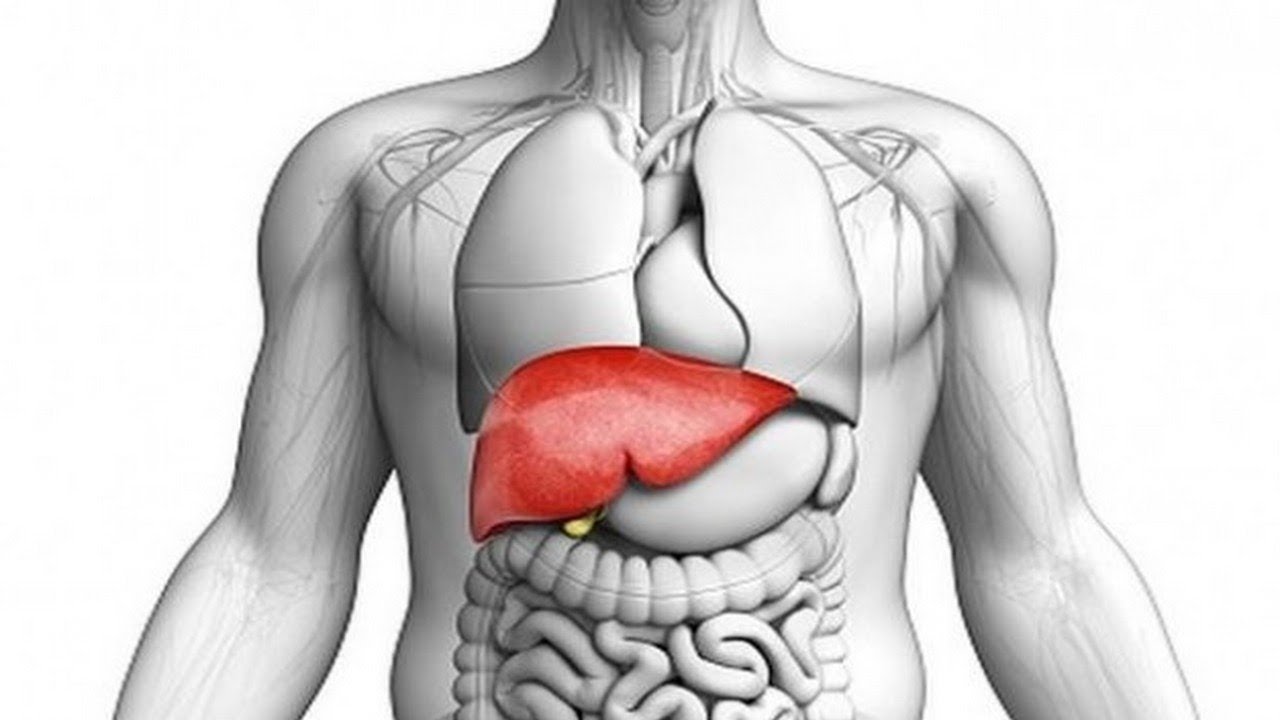
For most healthy people, the liver is just another of many organs that functions involuntarily and under our perceptional radar. However, this powerful organ is responsible for the digestion of food as well as eliminating toxic substances from the body.

The liver also helps ward off infection plus stores energy – making it highly important for many aspects of health.

When this vital organ begins to malfunction, focusing on liver health can become a matter of life and death. There are many different types of liver diseases, but untreated they can all be damaging and potentially deadly.

Given the severity of possible liver disease and liver failure complications, it is important to be aware of the body’s warning signs that something is amiss that needs to be addressed. Fortunately, there are often symptoms in the early stages of liver problems, Moreover, this amazing organ can regenerate itself when damaged, replacing old tissue with new cells.

What are the signs and symptoms of liver disease?

signs and symptoms of liver disease may include:

* Yellowish appearance to skin and eyes (jaundice)
* Chronic fatigue or excessive tiredness
* Abdominal pain and swelling
* Edema, or swelling in the legs and ankles
* Itchy skin
* Dark urine color
* Pale stool color, or bloody or tar-colored stool
* Nausea or vomiting
* Loss of appetite
* Tendency to bruise easily

There are some instances when symptoms are so mild or nonspecific that the underlying liver issue becomes ignored or unnoticed. As liver failure progresses, the symptoms can become more serious.
#Fit4LifeLive4Life

What causes liver problems?

There are many different ways liver issues and liver disease can develop.

Disease and dysfunction may have genetic causation, or may result from a virus infection. _Being overweight and clinically obese can also contribute to liver damage._ Inflammation and scarring caused by parasites and/or a virus, cancer, or even using too much Tylenol can also lead to liver problems.

The leading cause of liver disease is excessive alcohol consumption. additional factors that increase the risk of liver disease include:

* Tattoos and/or body piercings
* Receiving a blood transfusion prior to 1992
* Contact with other people’s blood and body fluids
* Unprotected sex
* Exposure to certain chemicals or toxins
* Diabetes

How are liver problems diagnosed?

To assess liver damage, a doctor will likely run a combination of the following tests, including a complete blood count (CBC), liver function test, abdominal computed tomography (CT) scan, abdominal ultrasound, a tissue biopsy, and liver enzyme tests.

What are the complications of liver problems?

When damage to the liver becomes chronic, liver disease can lead to scarring, also known as cirrhosis.

This condition can eventually become liver failure, often resulting in death.

Cirrhosis can also lead to liver cancer. For some, the symptoms of cirrhosis are the first signs of liver disease. Fortunately, liver cancer is considered rare, and is often treatable by removal of part of the liver, transplant, chemotherapy, and/or radiation.

How are liver problems treated?

As with most conditions, treatment for liver problems varies based on each individual’s specific diagnosis and stage of progression. The sooner problems are detected, the better. Minor and early stage liver disease may be addressed by lifestyle modifications, such as quitting drinking or losing weight. More advanced progression of liver disease, liver cancer, or other serious complications will likely require surgery, transplant, medication, and other treatment methods.
#Fit4LifeLive4Life

How can liver problems be prevented?

Living a healthy lifestyle can go a long way in promoting overall liver health. This includes maintaining a healthy weight, drinking alcohol in moderation, and using prescription and OTC medications only as needed.

In addition, minimize risky behavior, including being extra cautious when getting any tattoos or piercings, having protected sex, and avoiding contact with toxic chemicals and other’s bodily fluids.